15Nov. 2025
COP30
United Nations Climate Change Conference 2025
Belém, Pará
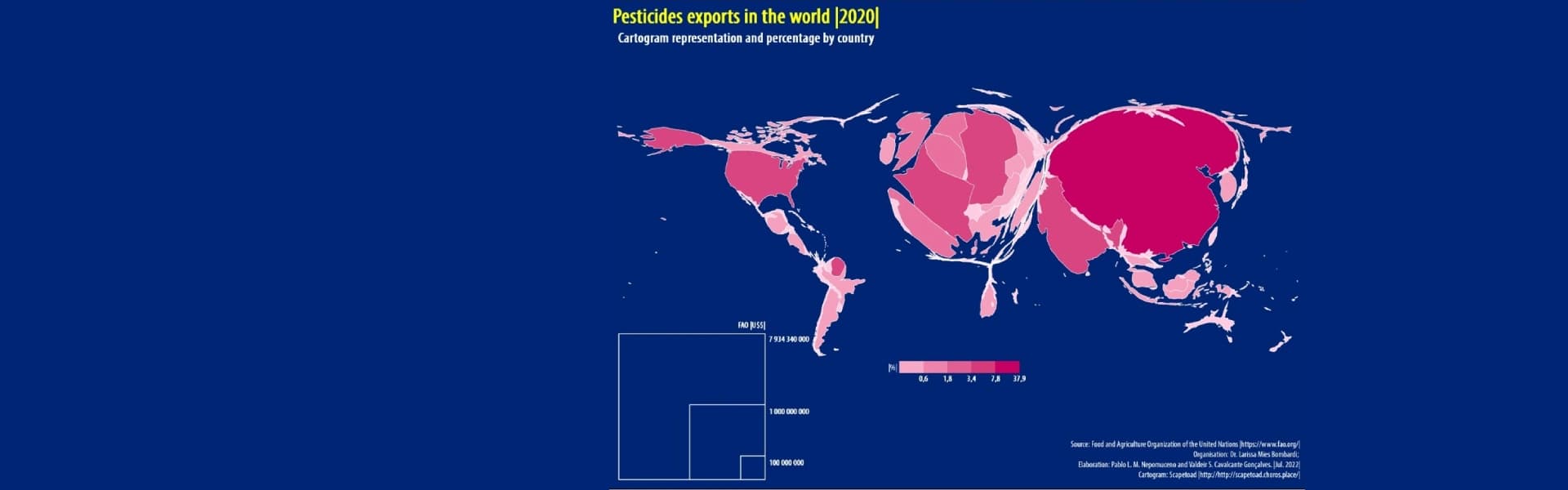
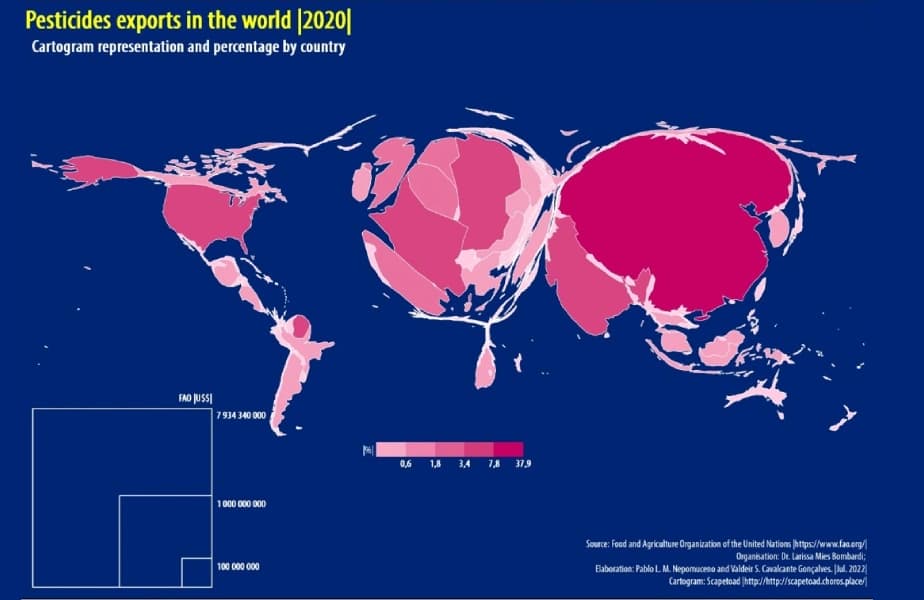
Data, articles and critical analysis on the globalization of agriculture and the silent dangers that affect our society. Larissa Bombardi exposes the impacts of pesticides and chemical colonialism on health and the environment. Discover the research that is changing the global debate.
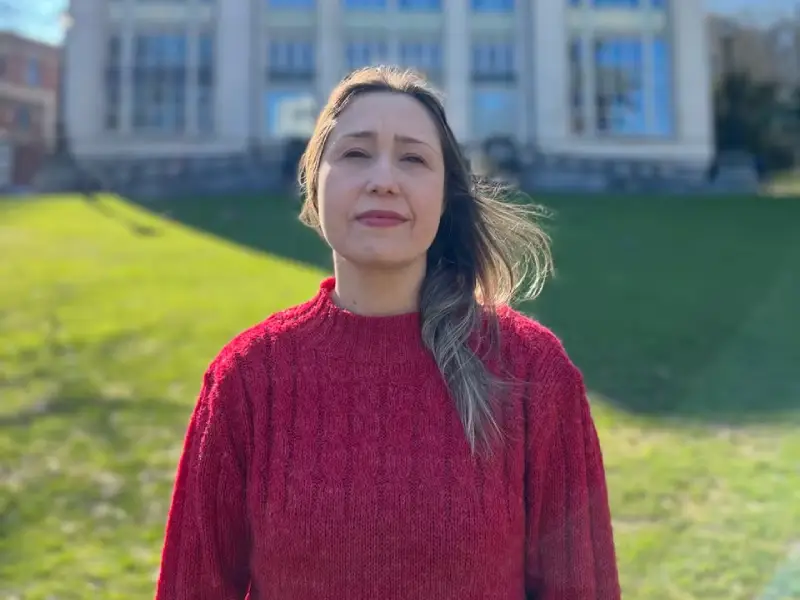
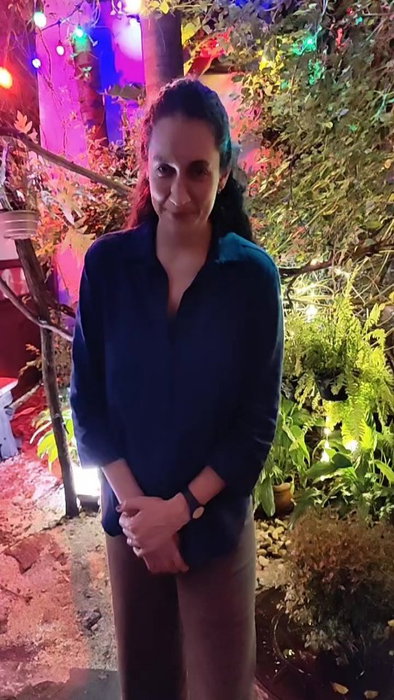
Learn MoreLarissa Bombardi is a geographer, a researcher at the Agroecology Laboratory of the Free University of Brussels (ULB) and was a tenured professor in the Geography Department of the University of São Paulo (USP), with 14 years of research on the use of pesticides and their connections with the global economy.
She is the author of the atlases on the geography of pesticide use in Brazil (2019 and 2021) and of the book Agrotóxicos e Colonialismo Químico (2023), an international reference showing how substances banned in Europe continue to be exported to the Global South.
Her work combines data, cartography and critical analysis to give visibility to a silent problem that affects water, food and health — especially among the most vulnerable populations.
times more glyphosate allowed in Brazil's drinking water than the European Union limit
of all pesticides sold worldwide are consumed in Brazil
death every two and a half days from pesticide poisoning
Intensity by region — kg of active ingredient / hectare
The dynamic that traps: developed industries and nations sell Brazil pesticides banned in their own territories, transferring the toxic crisis and turning food into a new vehicle for what was banned.
Learn MoreCOP30
Belém, Pará
COP30
Belém, Pará
COP30
Belém, Pará
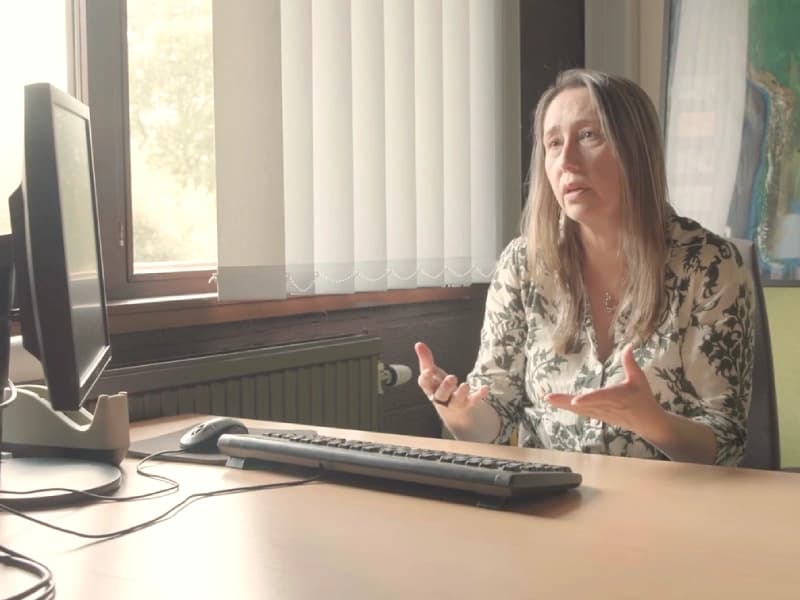
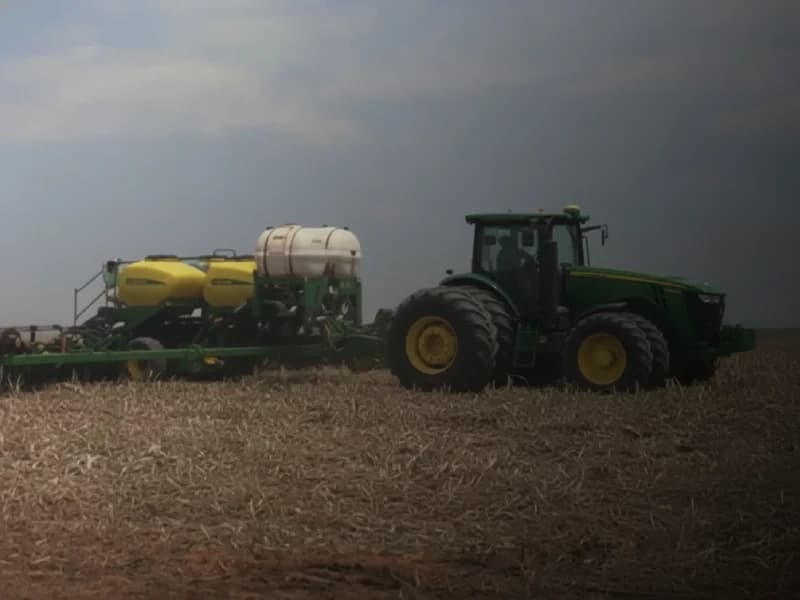
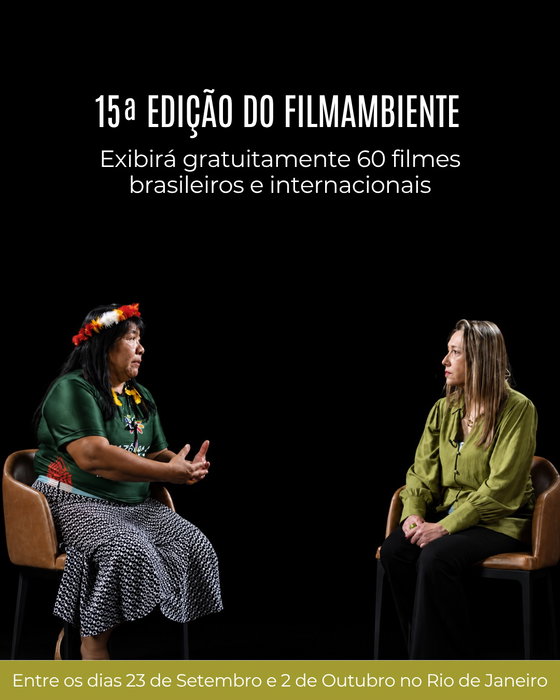
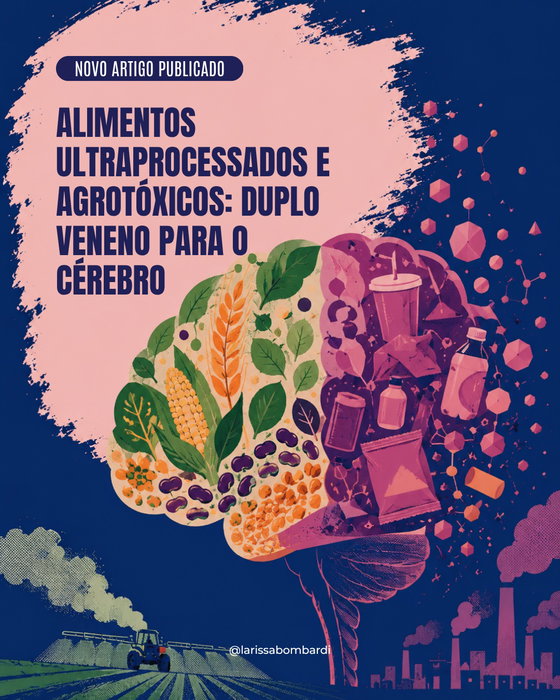
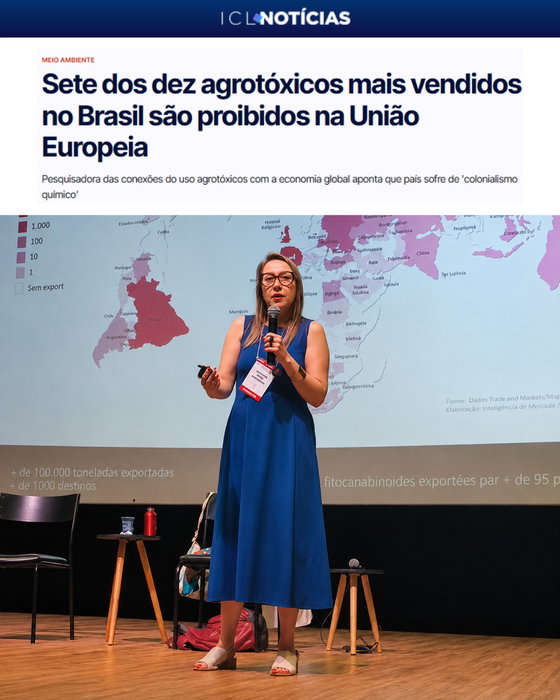
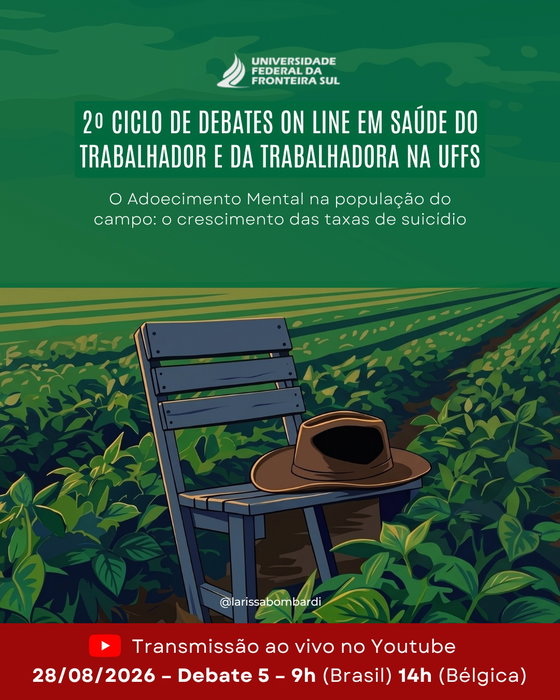
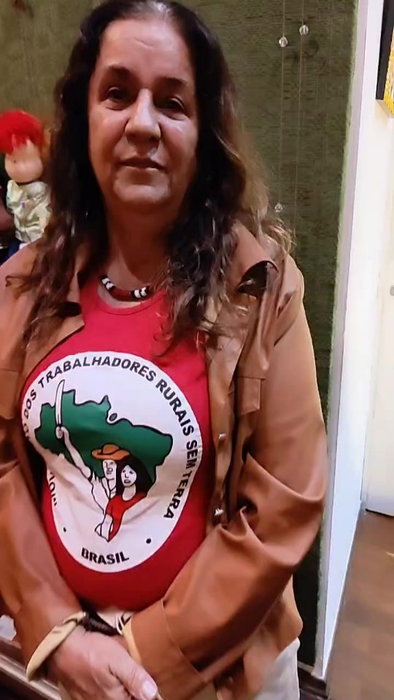
Pesticides do not affect everyone equally: they are present in water and food and unequally affect the most vulnerable populations. The book reveals the dynamics of exporting, to the Global South, substances already banned in Europe — a new form of colonialism: chemical colonialism.
Discover the book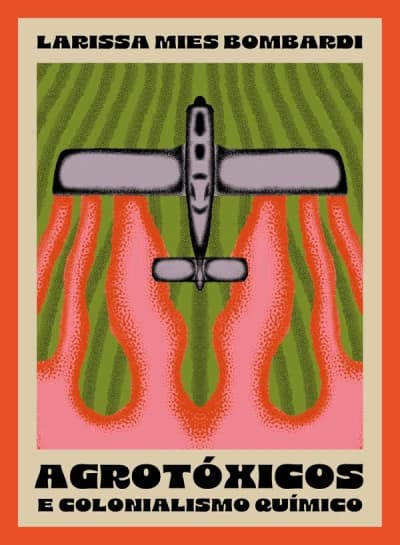
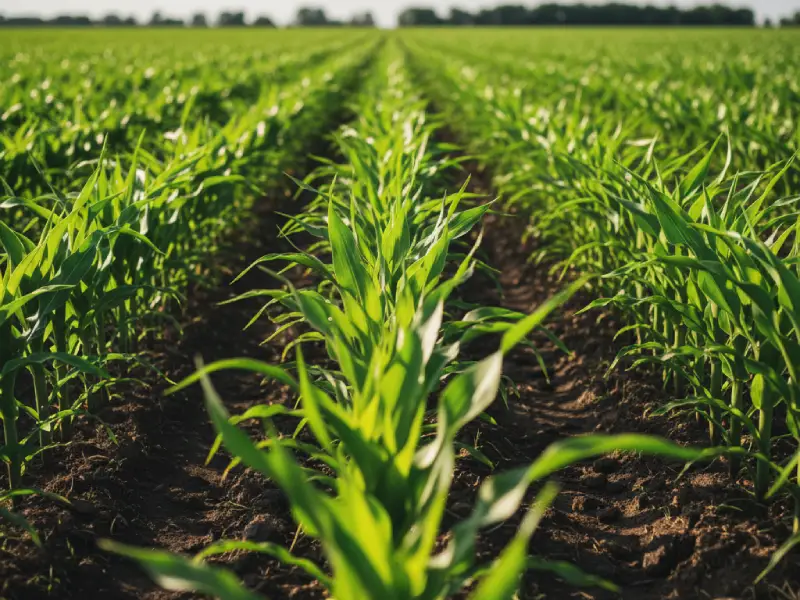
Research that combines data and a worldview to reveal what is invisible in water and food. Explore the articles and data on the use of pesticides in Brazil and its global connections.
Get in touch