About Larissa Bombardi

Larissa Bombardi

Researcher and specialist on the issue of pesticide use

Larissa Bombardi is a geographer, a researcher at the Agroecology Laboratory of the Université Libre de Bruxelles (ULB) on the Friction project, and a professor on leave from the Department of Geography of the University of São Paulo – USP.

Larissa has specialized in the issue of pesticide use for 14 years, with dozens of lectures, several published articles, and more than 100 interviews given on the subject in national (Brazilian) and international media, making her one of the world's leading authorities on the matter.

She is the author of the book “Agrotóxicos e Colonialismo Químico” (Pesticides and Chemical Colonialism), released in 2023 in Portuguese and published in French (Pesticides – Un colonialisme Chimique) in 2024.

She is also the author of the atlases: “Geography of the Use of Pesticides in Brazil and Connections with the European Union,” released in 2019 in its English edition in Europe (Scotland and Germany), and “Geography of Asymmetries: The Vicious Circle of Pesticides and Colonialism in the Trade Relationship Between Mercosur and the European Union,” launched in 2021 at the European Parliament.

Larissa is a member of the National Forum to Combat the Impacts of Pesticides (Brazil), a board member of the international organization “Justice Pesticide,” and a curator of the international alliance IPSA (International Pesticides Standard Alliance).

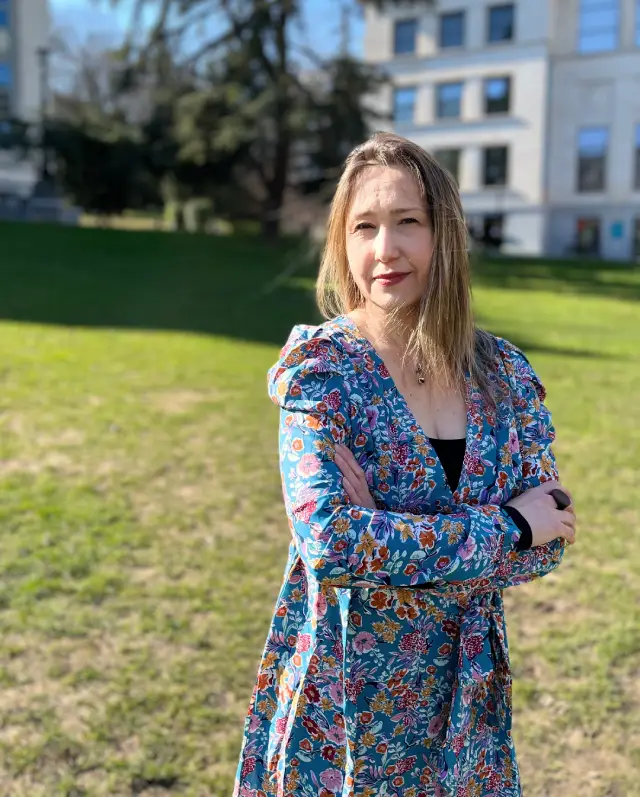
Larissa Bombardi

Academic foundations and geographic rigor

Larissa Bombardi is a geographer and associate professor (currently on leave) at the Department of Geography of the University of São Paulo (USP), where she has been affiliated since 2007. Her expertise is the result of more than 14 years of tireless research, supported by three postdoctoral fellowships at leading institutions, including the University of Strathclyde (Scotland) and the Université Libre de Bruxelles (Belgium). This deep, transnational academic grounding has established her as one of the world's foremost authorities on the study of toxicity and pesticides.

Chemical Colonialism

Her most influential work is the thesis of “Chemical Colonialism” — the concept that exposes how industries based in core countries sell pesticides banned in their own territories to the Global South, transferring risk and toxicity. This geopolitical critique is detailed in her influential Atlases (Geography of the Use of Pesticides in Brazil and Connections with the European Union) and in the book Agrotóxicos e Colonialismo Químico. The launch of these works in international forums, such as the European Parliament, demonstrates the strategic use of her science as a tool for regulatory pressure.

The cost of exposing the truth and legal engagement

Because of her work and the threats she faced, Larissa Bombardi was forced to leave Brazil and now conducts her research in Europe, within a program for scientists in exile. This exile turned the academic into a human rights defender. Currently based in Belgium, she serves on the board of the international organization Justice Pesticide and is a curator of IPSA (International Pesticides Standard Alliance). Her research aims to provide the irrefutable evidence needed to hold global companies accountable, strengthening the fight for fairer international regulation.
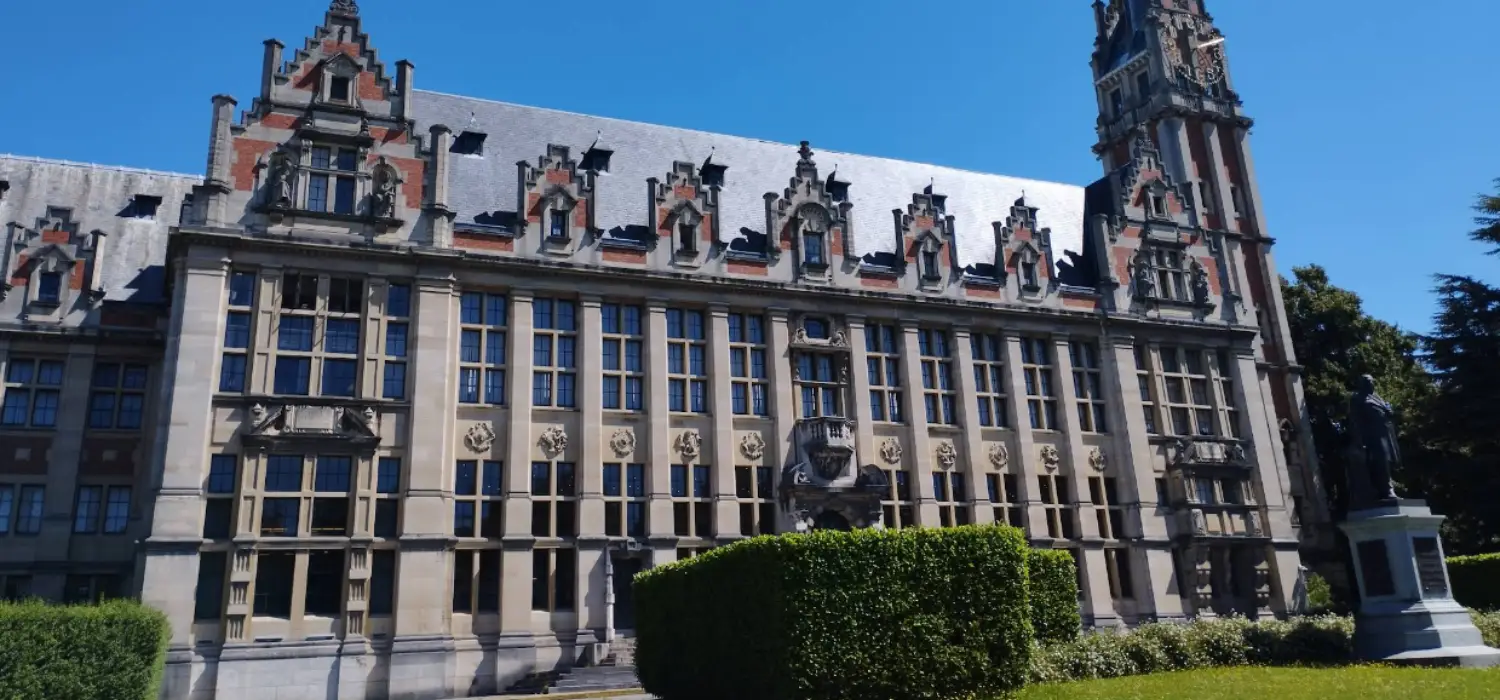
The central thesis is Chemical Colonialism, which exposes a global asymmetry: industries in Northern countries sell pesticides banned in their own territories to Global South countries, such as Brazil, transferring the risk of toxicity to sustain commodity chains.

Chronic exposure is associated with acute poisoning, neurological disorders, mental health problems, and various types of cancer, in addition to contaminating the water and food consumed by the population — affecting the most vulnerable communities unequally.

The glyphosate limit allowed in Brazil's drinking water can be thousands of times higher than that authorized in the European Union, revealing how much more permissive national safety standards are.

The research points to the need for fairer international regulation, an end to the export of banned substances, data transparency, and the strengthening of agroecology and food sovereignty as an alternative to the current model.

Science, ethics, and exile

Larissa Bombardi, a geographer at USP, turned her academic rigor into a global struggle. Her thesis on Chemical Colonialism — the transfer of pesticides from the North to the South — cost her the ability to remain in Brazil, but amplified her voice as the leading advocate for social and environmental justice on the international stage.